
Pride Month and Mental Health: Why Acceptance Matters
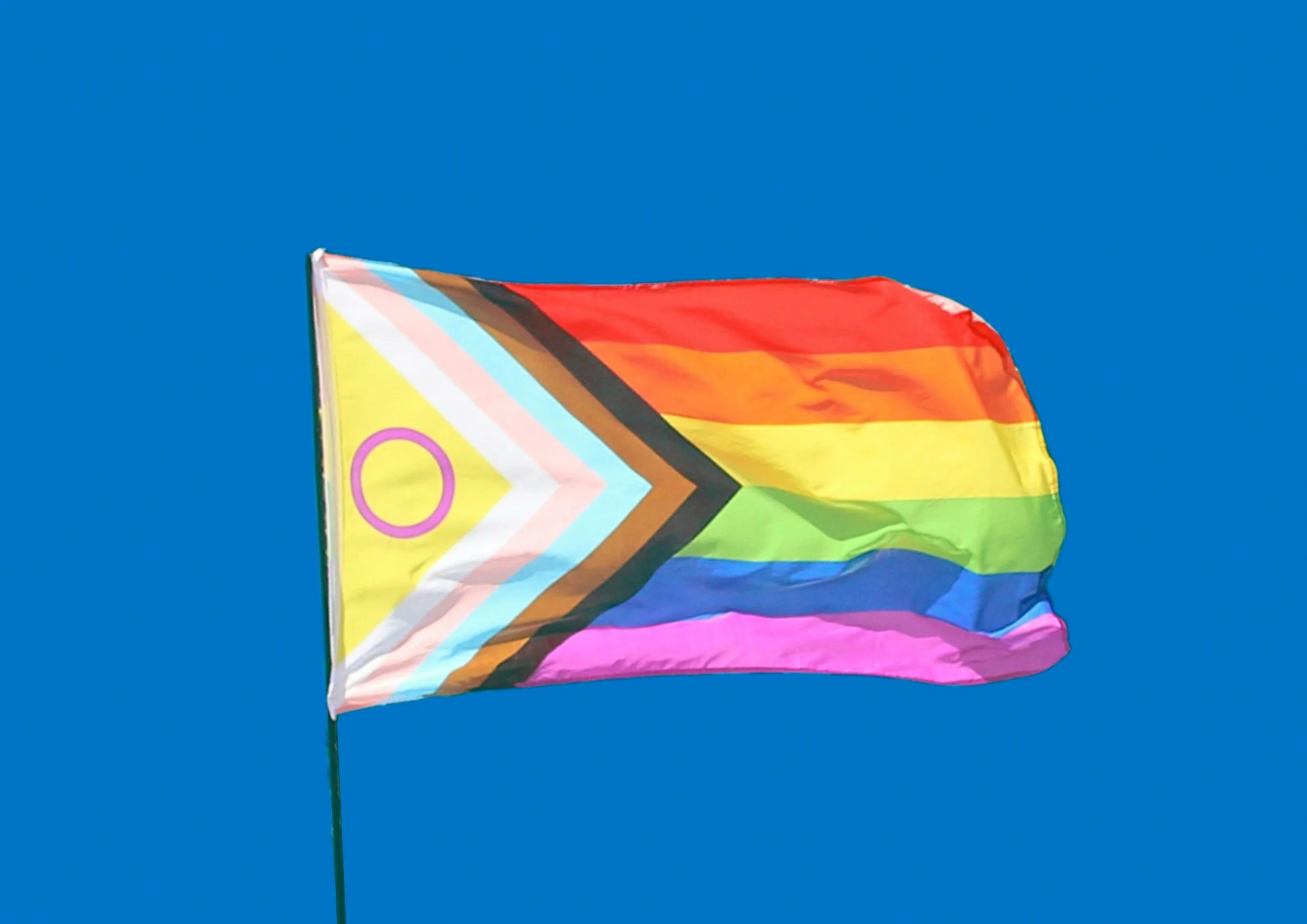
Every June, Pride Month offers an opportunity to celebrate the resilience, diversity, and contributions of the LGBTQ+ community. It is a time of visibility, advocacy, and connection. It is also an important time to reflect on the mental health challenges many LGBTQ+ individuals continue to face and the role that acceptance, support, and access to care play in promoting well-being.
While significant progress has been made toward equality and inclusion, many LGBTQ+ individuals, particularly young people, continue to experience discrimination, stigma, and barriers to mental health care. These experiences can have a profound impact on emotional wellness and overall quality of life.
The Mental Health Impact of Acceptance
One of the most powerful protective factors for LGBTQ+ mental health is acceptance. Feeling safe, valued, and supported within families, schools, workplaces, and communities can dramatically improve mental health outcomes.
Research from The Trevor Project highlights just how significant community acceptance can be. LGBTQ+ young people who reported living in very accepting communities attempted suicide at less than one-third the rate of those who reported living in very unaccepting communities.
This finding reminds us that acceptance is more than kindness. Acceptance can be life-saving. When individuals can express their identities authentically without fear of rejection or discrimination, they are more likely to experience a sense of belonging, connection, and hope.
Understanding Additional Challenges for LGBTQ+ Youth of Color
Mental health experiences are not the same for everyone within the LGBTQ+ community. Many individuals navigate multiple forms of discrimination that can compound stress and emotional distress.
According to The Trevor Project, LGBTQ+ young people of color attempted suicide at higher rates than their White peers. Additionally, nearly one-third (32%) reported experiencing racial or ethnic discrimination.
The intersection of racial, ethnic, and LGBTQ+ identities can create unique challenges. Experiences of prejudice, exclusion, or systemic inequities may increase feelings of isolation and stress. Recognizing these intersecting identities is essential to providing meaningful support and culturally responsive mental health care.
Barriers to Mental Health Care
Although awareness of mental health has grown in recent years, access to care remains a significant concern for many LGBTQ+ individuals. The Trevor Project reports that 44% of LGBTQ+ young people who wanted mental health care in the past year were not able to receive it.
Barriers may include:
Financial limitations
Lack of available providers
Difficulty finding LGBTQ+-affirming therapists
Concerns about confidentiality
Fear of judgement or discrimination
When people are unable to access the support they need, mental health challenges can become more difficult to manage. Expanding access to inclusive, affirming care remains a critical priority.
How We Can Support LGBTQ+ Mental Health
Pride Month is an opportunity not only to celebrate but also to take meaningful action. Supporting LGBTQ+ mental health can begin with simple but impactful steps:
Create Safe and Affirming Spaces: Whether at home, school, work, or in healthcare settings, fostering environments where people feel respected and valued can make a significant difference.
Listen with Compassion; Offering nonjudgmental support and validating someone's experiences can help reduce feelings of isolation.
Challenge Stigma and Discrimination: Speaking up against harmful stereotypes and discriminatory behaviors helps build more inclusive communities.
Promote Access to Care: Encouraging access to culturally competent, LGBTQ+-affirming mental health services can help individuals receive the support they deserve.
A Message of Hope
Pride Month is a celebration of authenticity, courage, and community. It reminds us that everyone deserves to be seen, respected, and supported for who they are.
Mental health thrives in environments where people feel accepted and connected. As individuals, families, communities, and mental health professionals, we all have a role in creating spaces where LGBTQ+ people can flourish.
This Pride Month, let us celebrate not only diversity and identity but also the power of acceptance, belonging, and compassionate mental health care. Together, we can help build communities where every person feels safe, valued, and empowered to live authentically.
